Thinking
Short reads on what actually moves culture — drawn from the research, and from a few hundred rooms.
New series
Nine posts drawn from the research paper Envision, Diagnose, Design (McGregor, 2025) — the theoretical and empirical case for a behaviour-first approach to organisational culture change.

Calling it a culture problem is part of the problem. When culture became a noun, it became something to measure and fix rather than build.

Kotter put the failure rate at 70% in 1995. It hasn't improved. The reason is structural — and fixable.

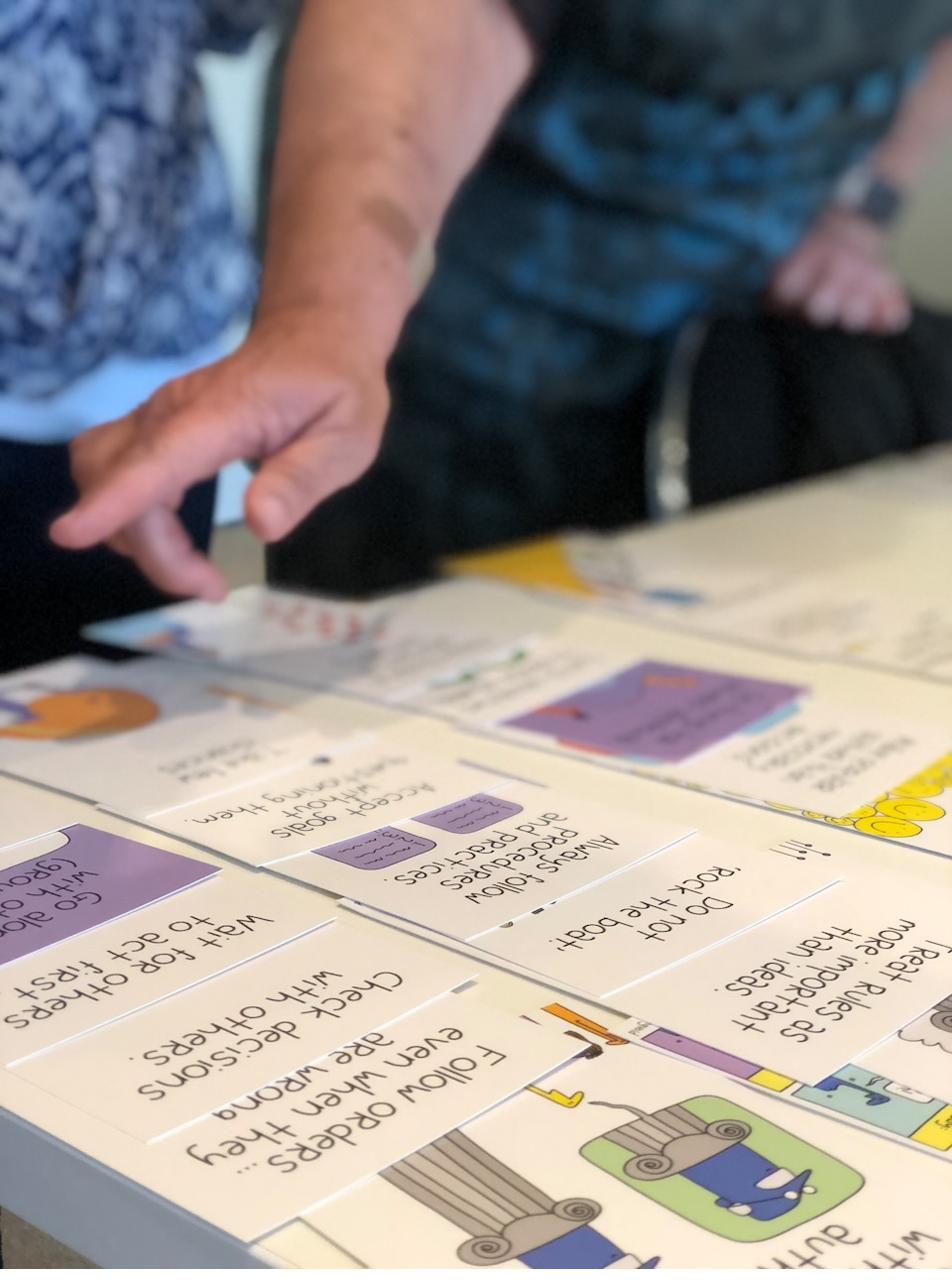
The physical card isn't a delivery mechanism. It's a participant in the room — and that distinction changes everything.

Most approaches to psychological safety depend on facilitator skill. There's a more reliable architectural alternative.
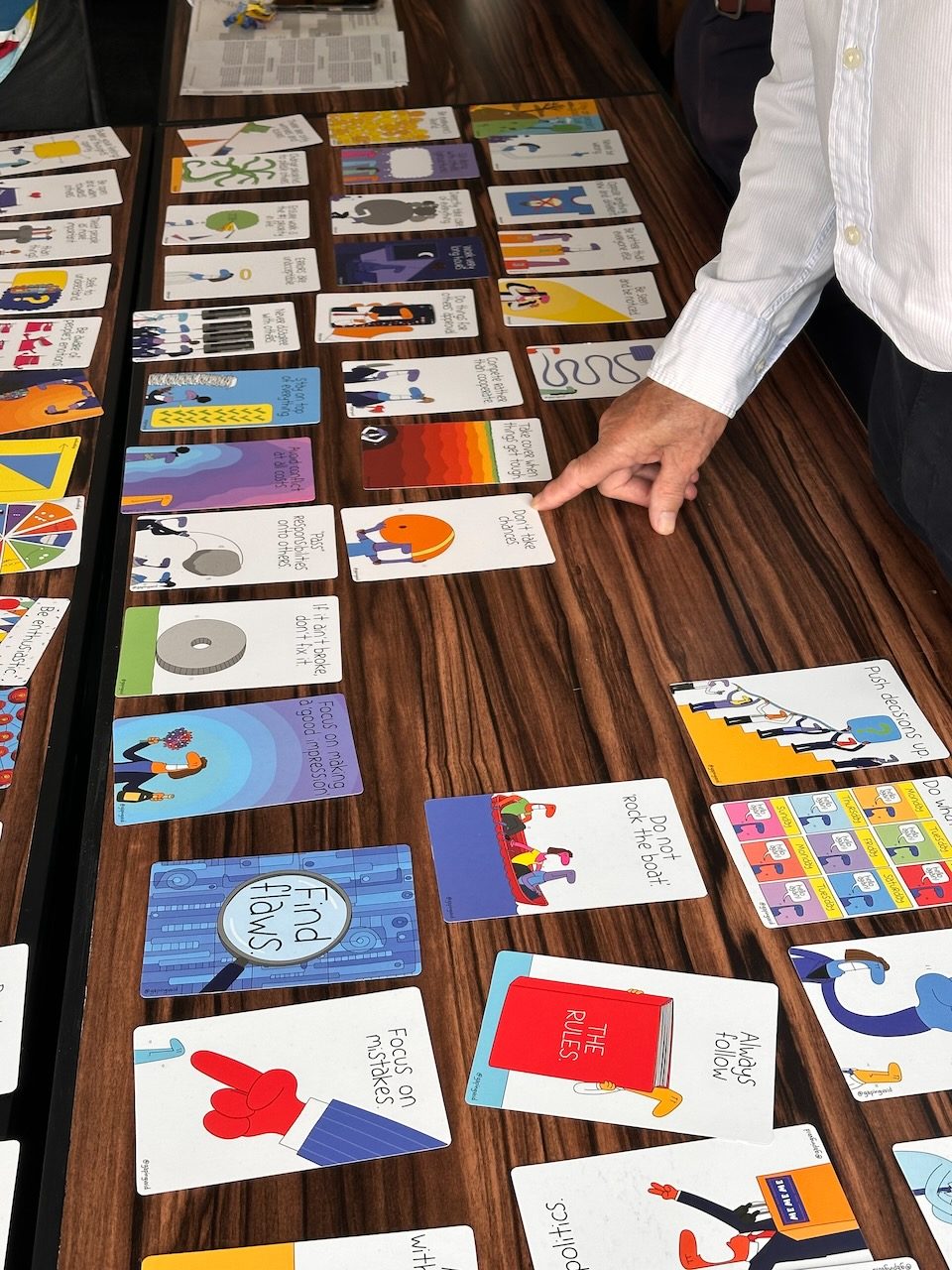
Everyone privately knows. Everyone assumes everyone else is fine with it. So no one says anything. Until the cards arrive.
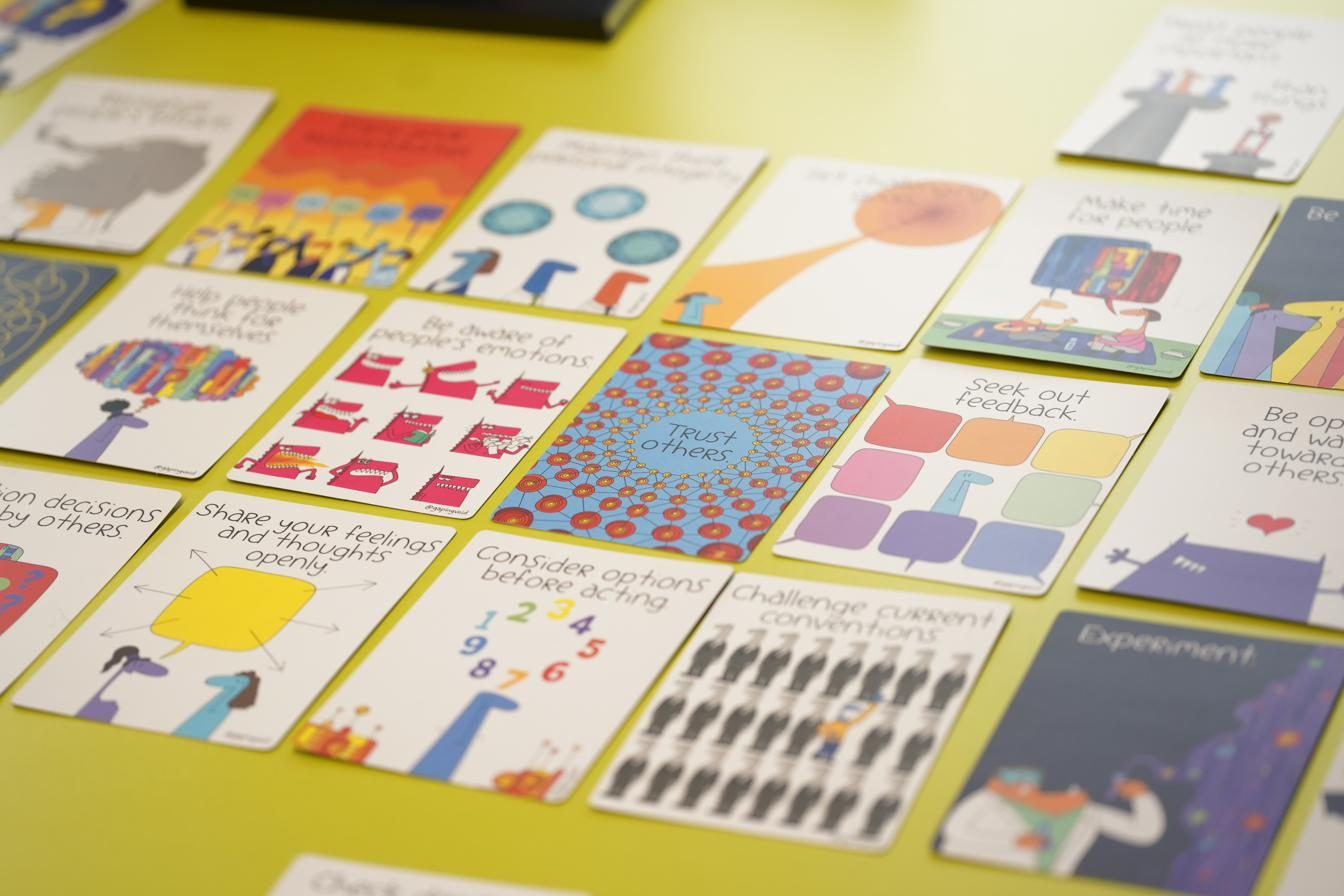
Every culture programme assumes the same sequence: change minds, behaviour follows. The evidence says it's backwards.
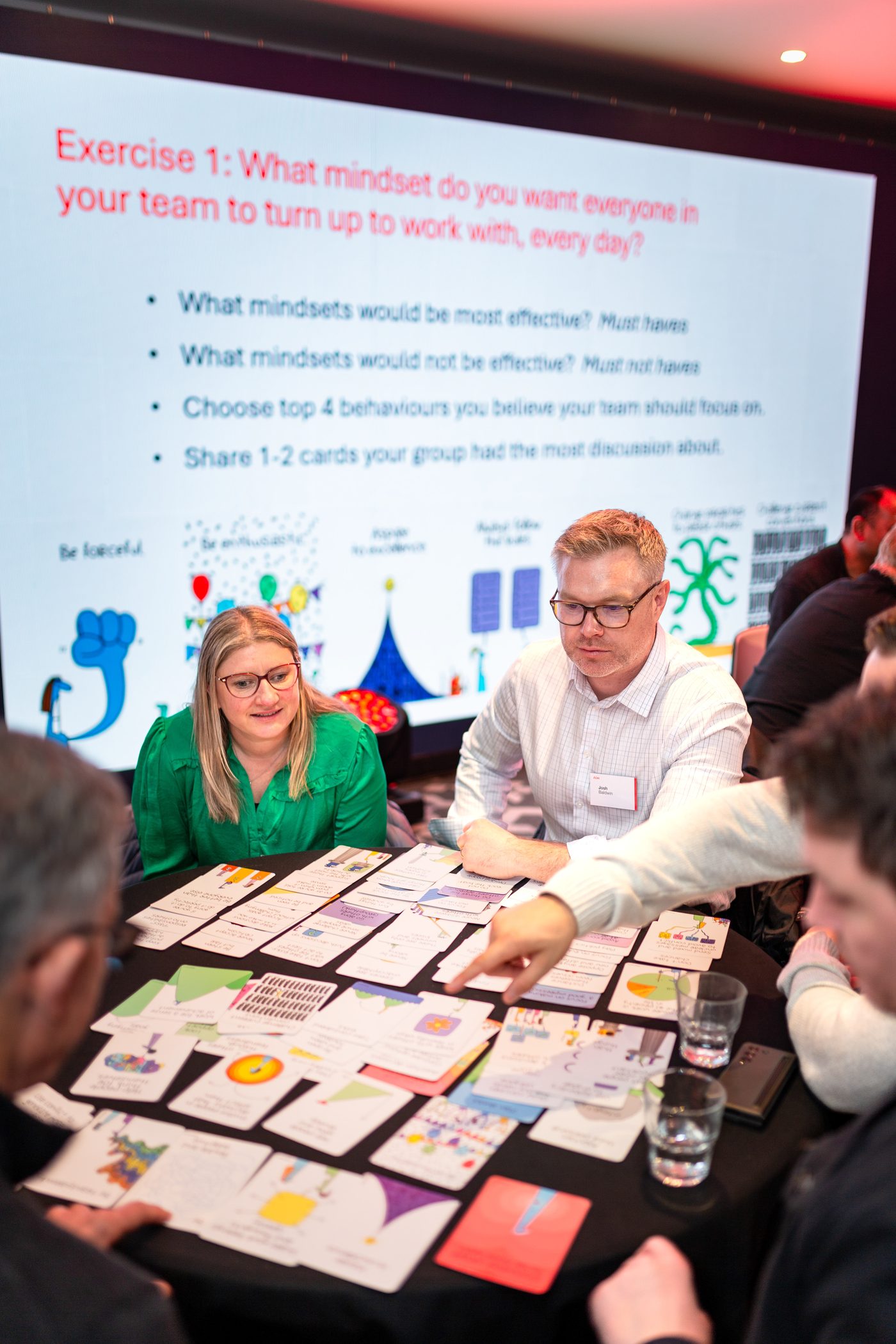
Senior leaders and frontline staff see different cultures. That gap is structural — and most diagnostics make it worse.

People value what they build more than what they're given. Applied to groups building their own culture map, this explains why commitment follows.

Most culture programmes start with what's wrong. Five years of field observation suggest the sequence should always be reversed.
New series
Ten posts drawn from five years of field research and the academic paper behind the deck. How the framework was built, why the items are written the way they are, and what two thousand participants taught us about culture conversation.

Most culture tools ask whether a behaviour is good or bad. That turns out to be the wrong question. The right one changes everything about how you look at culture.

When you buy a culture assessment, you're buying a theory. Most organisations don't know which one — and that matters more than they think.

Most culture conversations produce genuine consensus and then produce nothing. The problem isn't commitment. It's language.

One card kept generating the wrong conversation. Changing a single word fixed it — and revealed a principle that now shapes every item in the deck.

Easy consensus is comfortable. Productive ambiguity is useful. The conversations worth having are the ones where people disagree.

Most organisations manage their intentions while their patterns do something else entirely. The gap between the two is where culture change fails.

The above and below line is not a moral classification. It's a performance one — and that difference matters more than it appears.

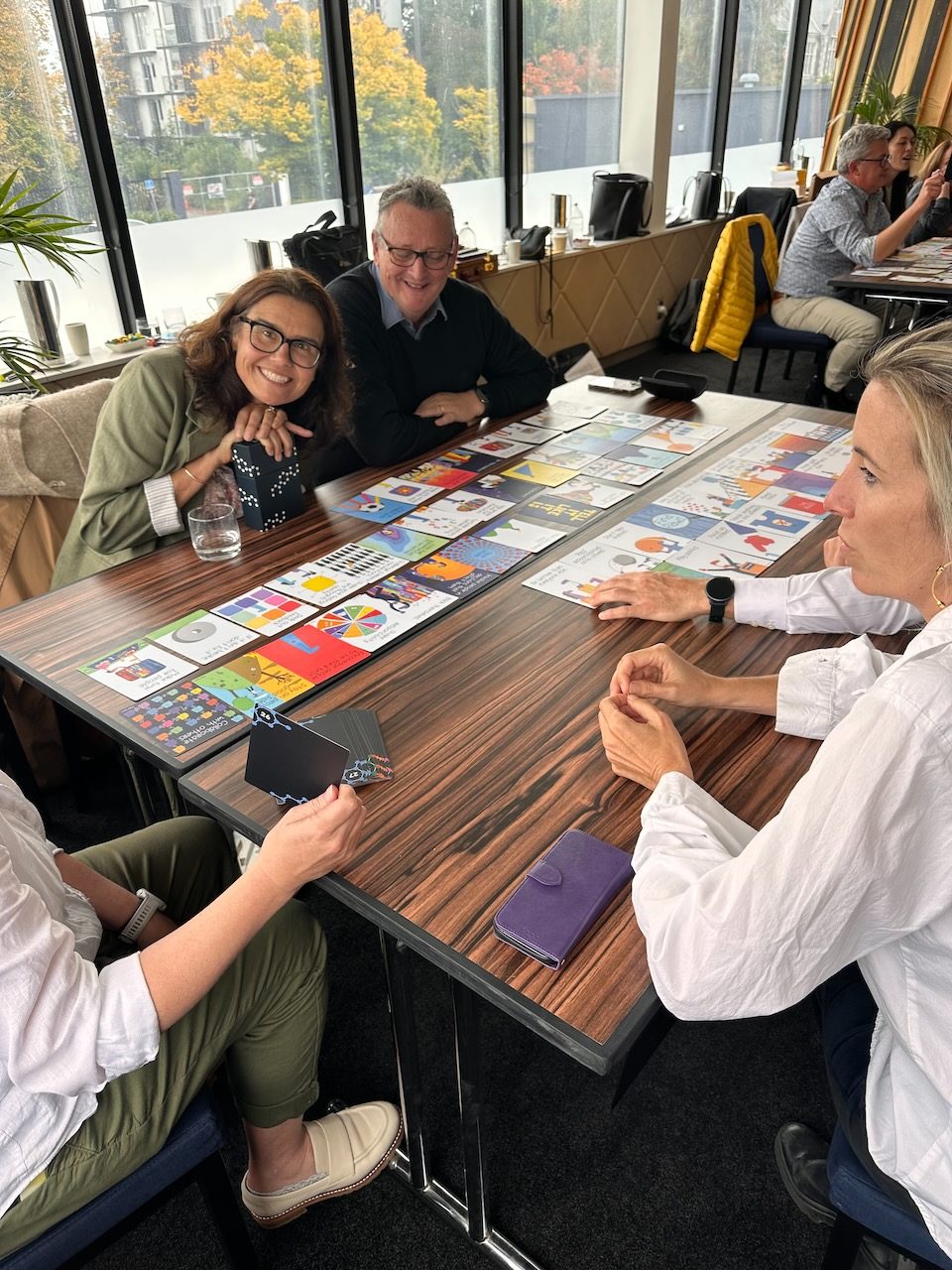
Culture Science Cards was not developed in a lab. It was developed in rooms. Here is what the rooms taught.

The front of a card has one job. The back — after a design change that came from observation — now does several more.
The gap between where the cards land and where the team wants them is the culture change agenda — visible, and owned.
New series
Eleven genuine tensions every leader lives with — each with two sides that can serve your culture or constrain it. Start with the introduction, then take them in order.

The opposite of a good idea can also be another good idea — an introduction to the series, and why the goal is better decisions.

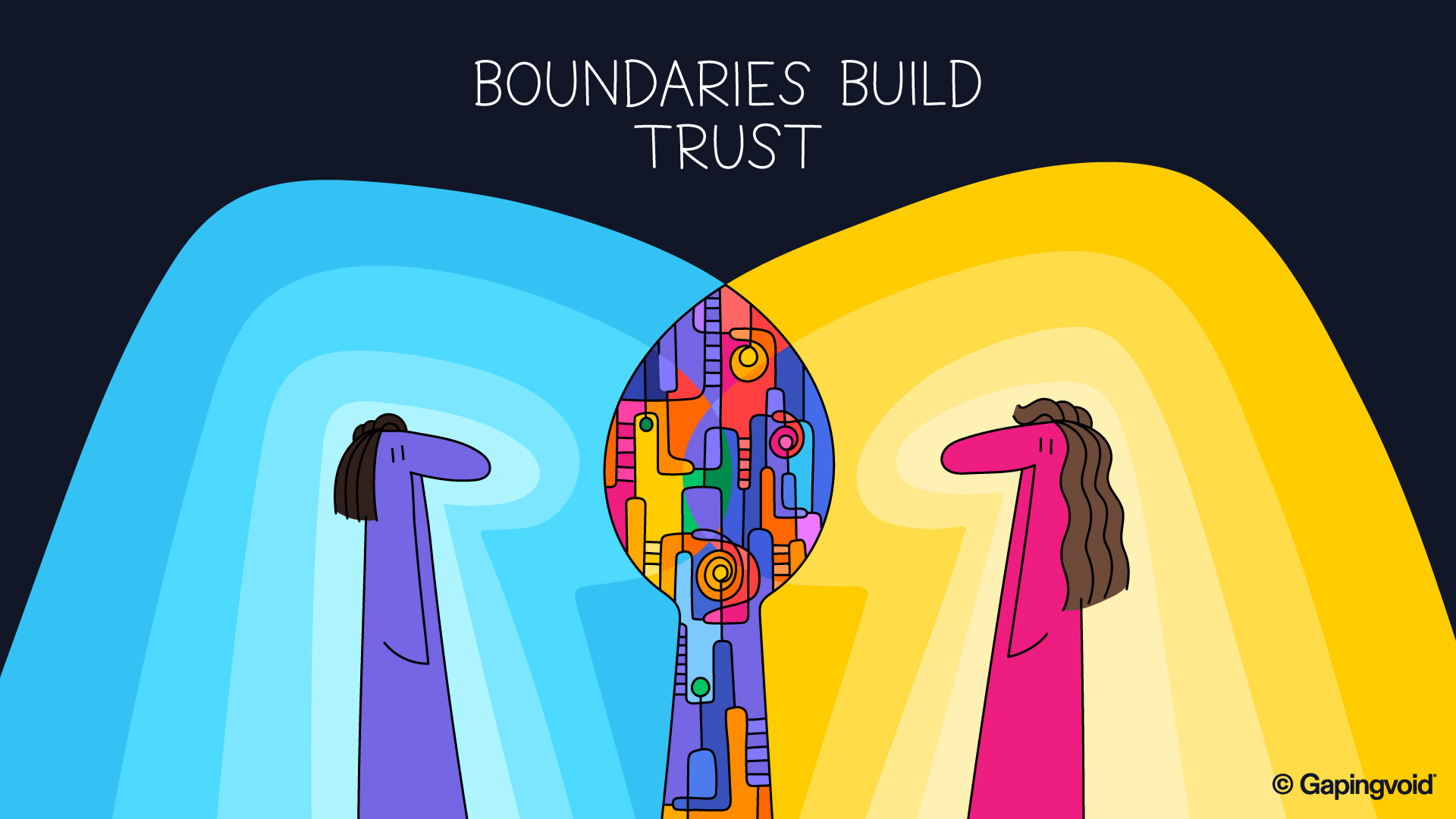
Closeness builds trust. So does distance. Knowing when each serves the culture you want.

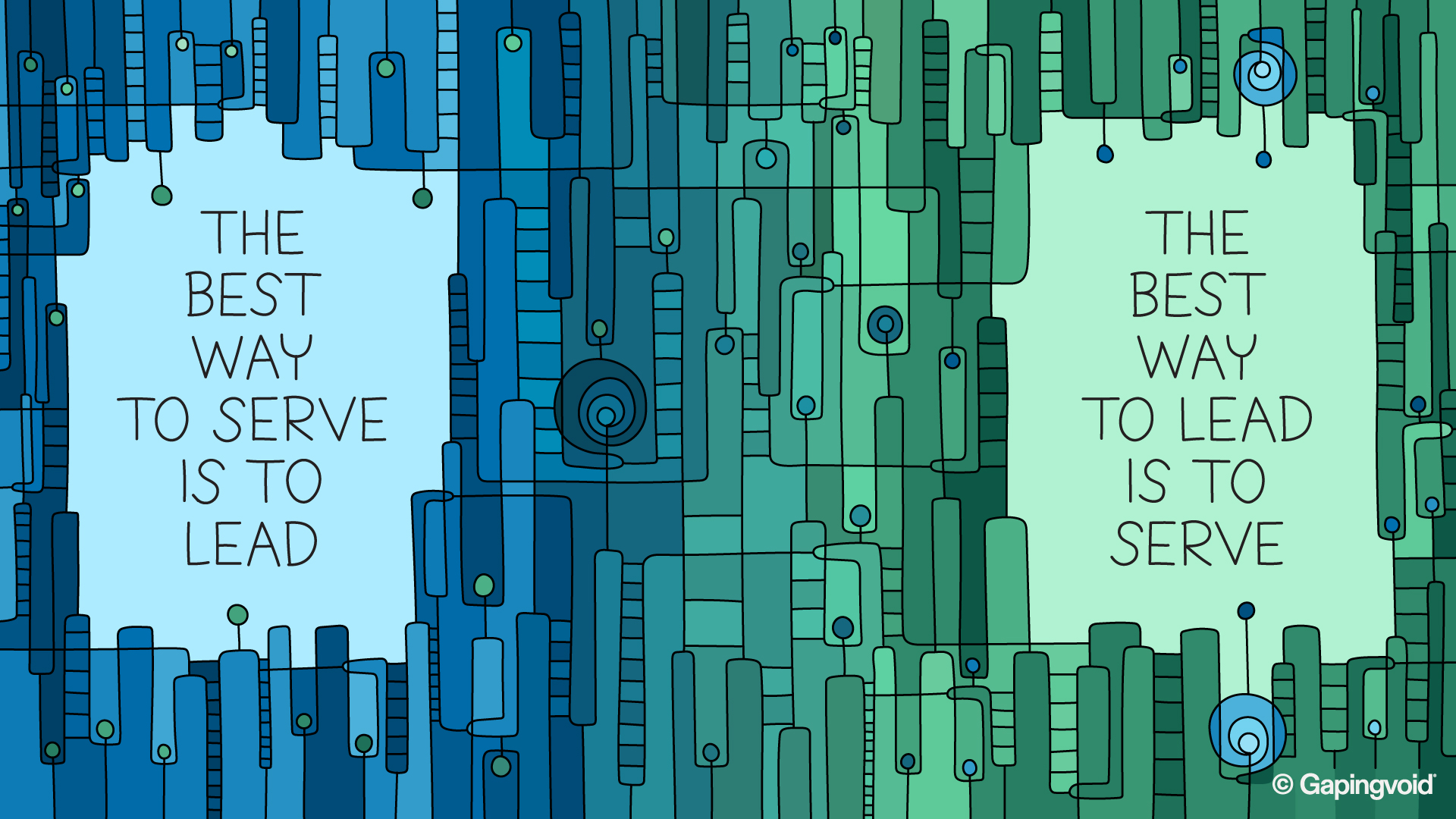
The best way to serve is to lead; the best way to lead is to serve. When to step forward, when to step back.

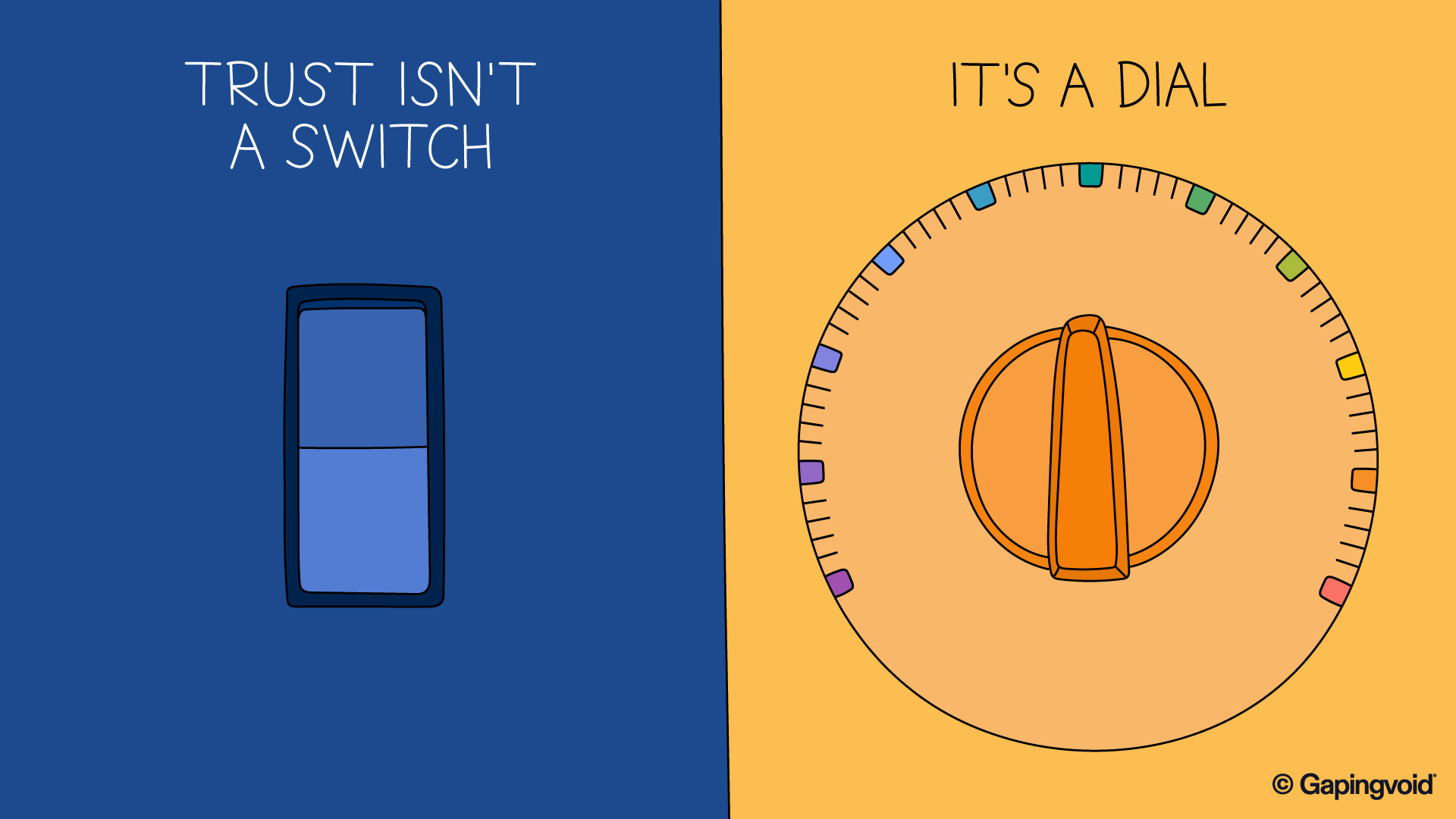
Trust isn't a switch, it's a dial. When trust builds ownership — and when oversight is really care.

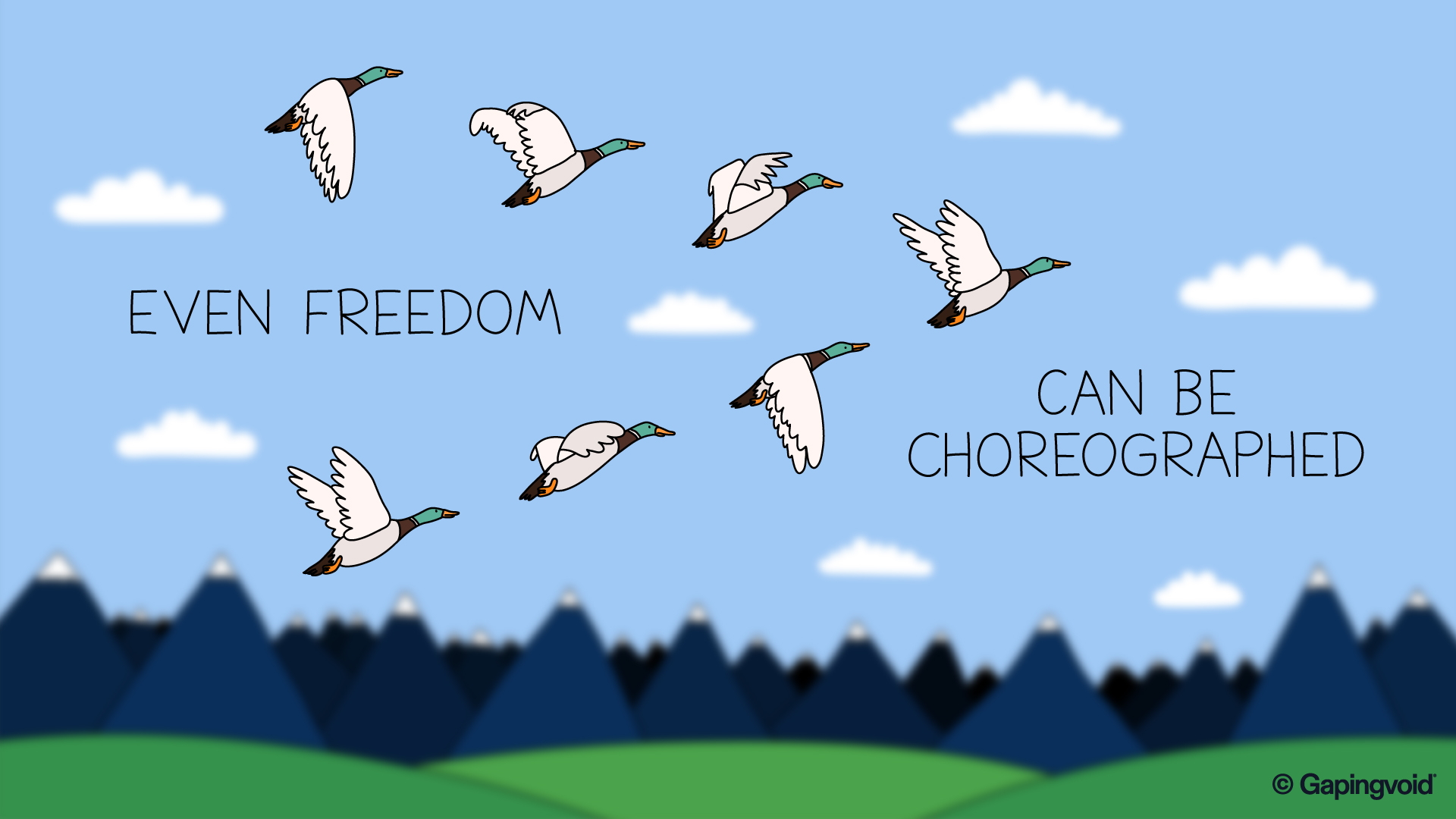
Even freedom can be choreographed. When to flex, and when to hold the line.

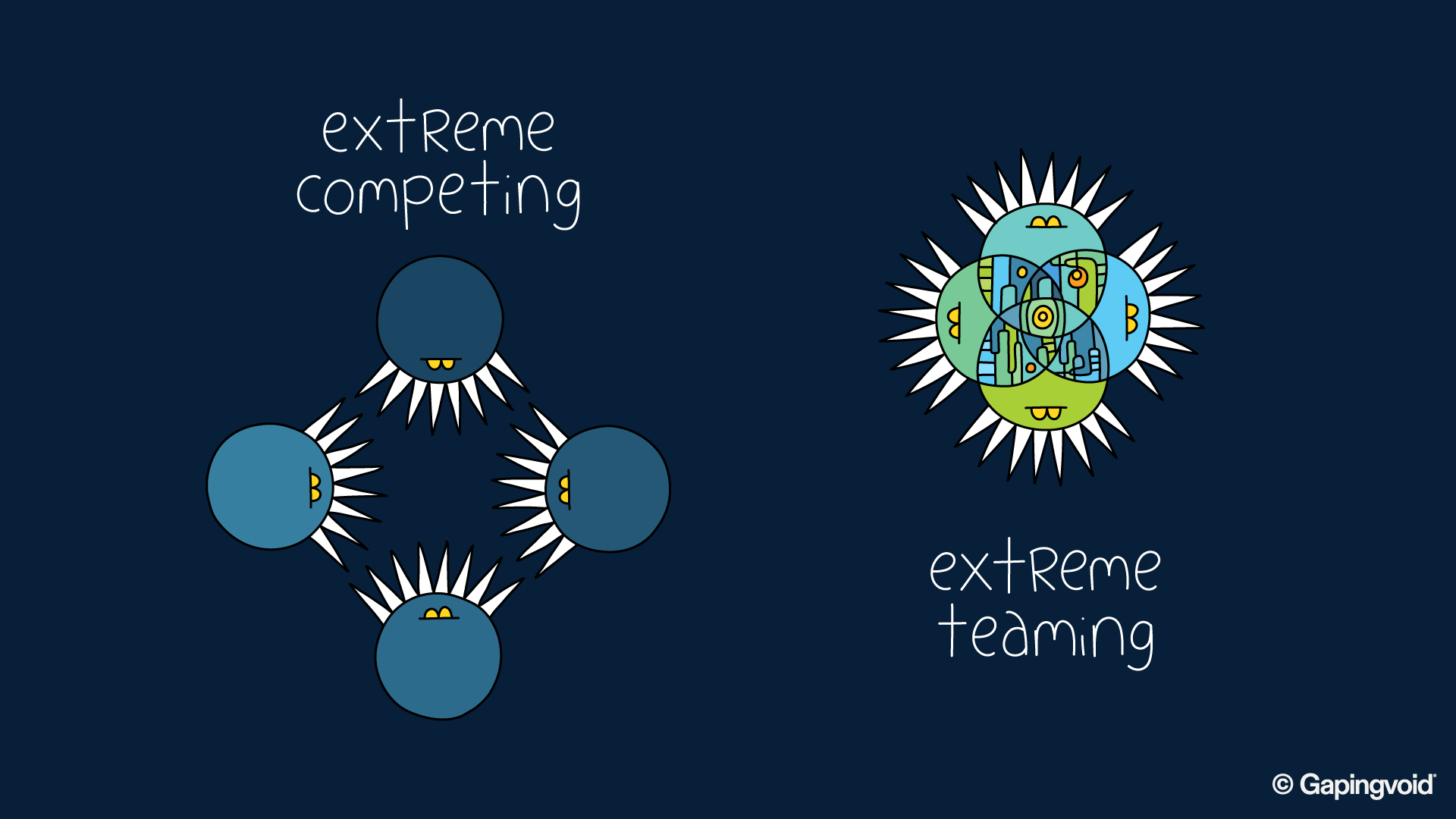
Extreme competing, extreme teaming. When to own your patch, and when to think in systems.

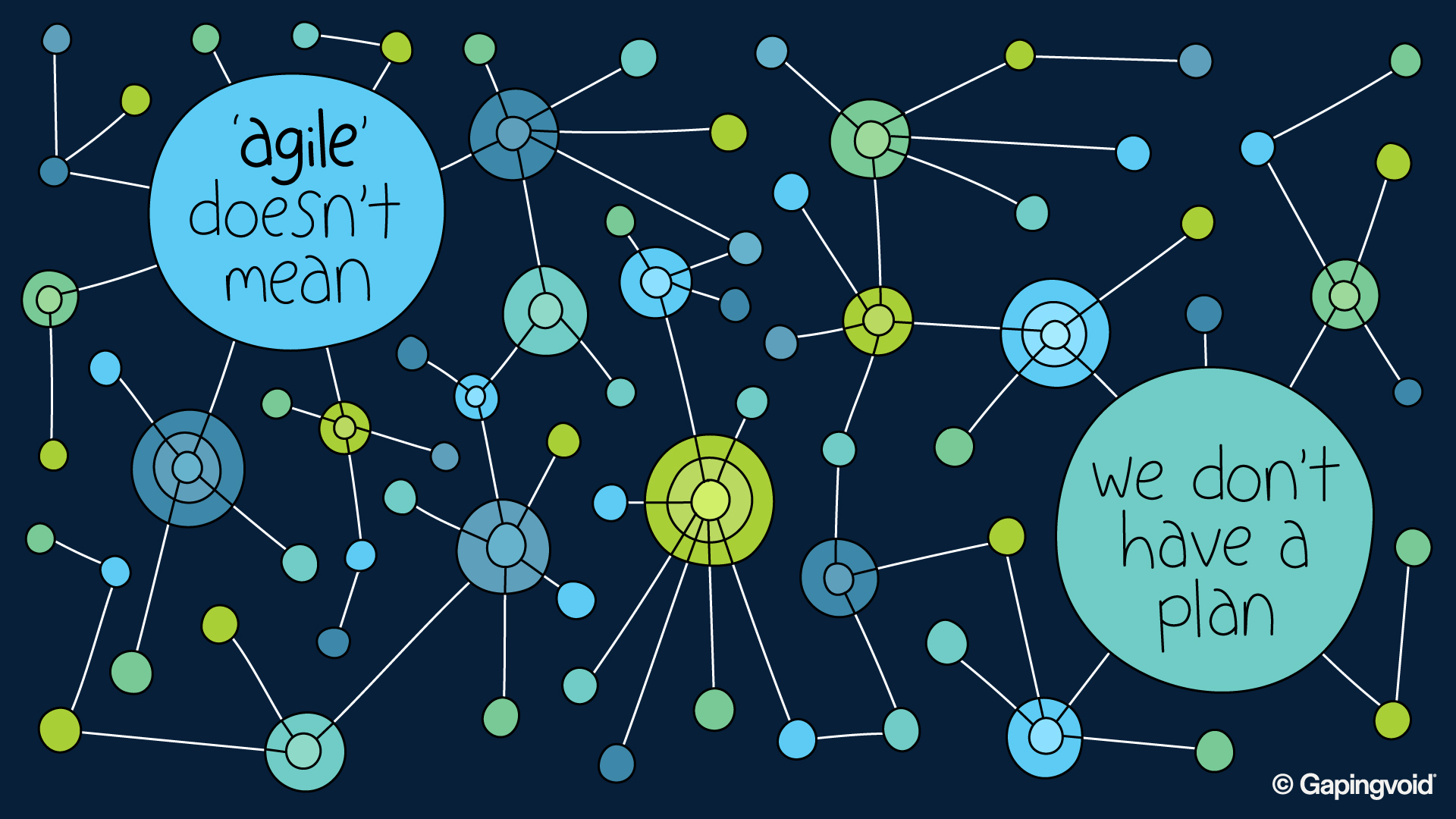
Agile doesn't mean no plan — it means not worshipping it. When to hold the plan, when to let it go.

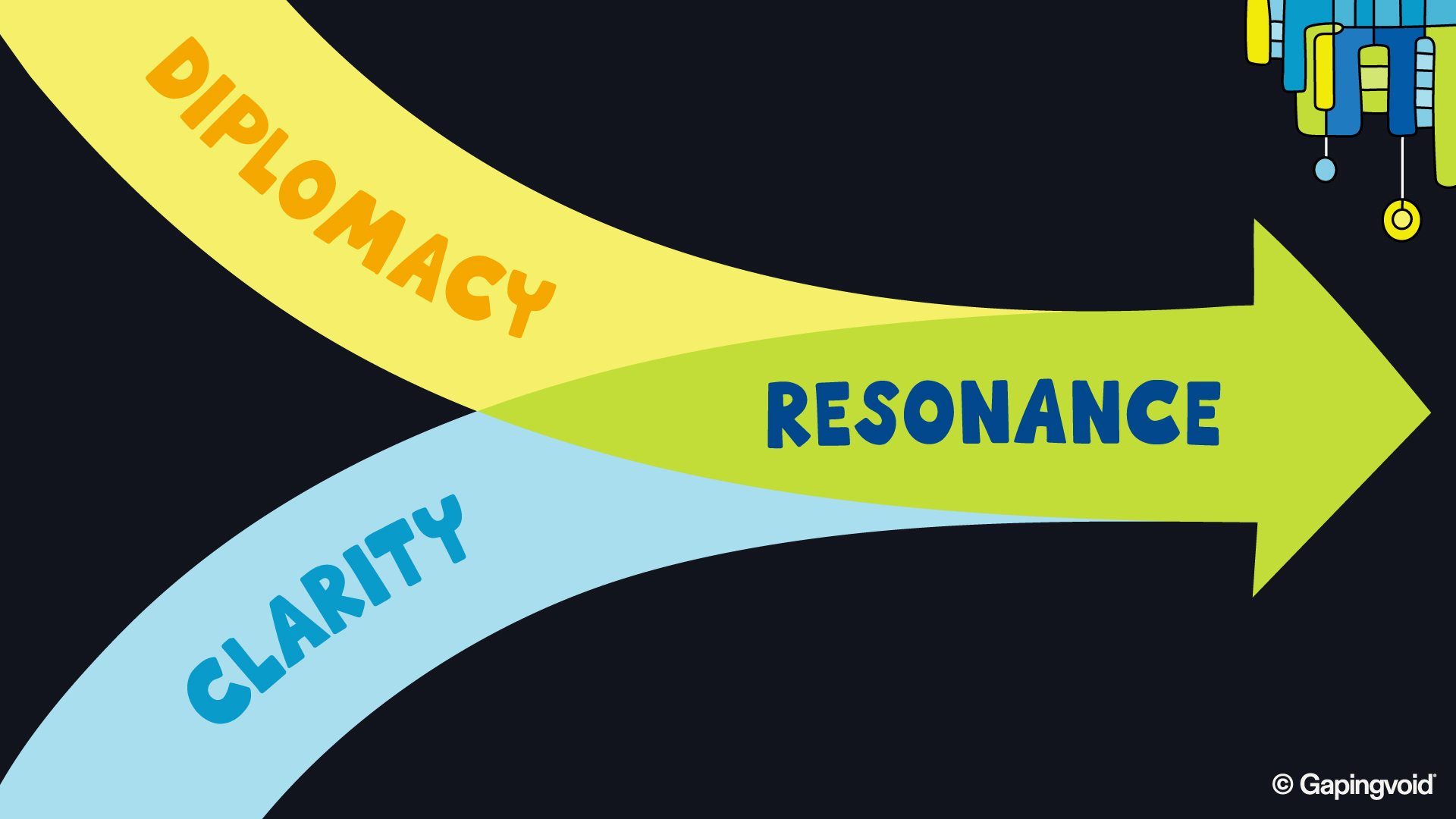
Diplomacy plus clarity equals resonance. When to say it straight, and when delivery is the message.

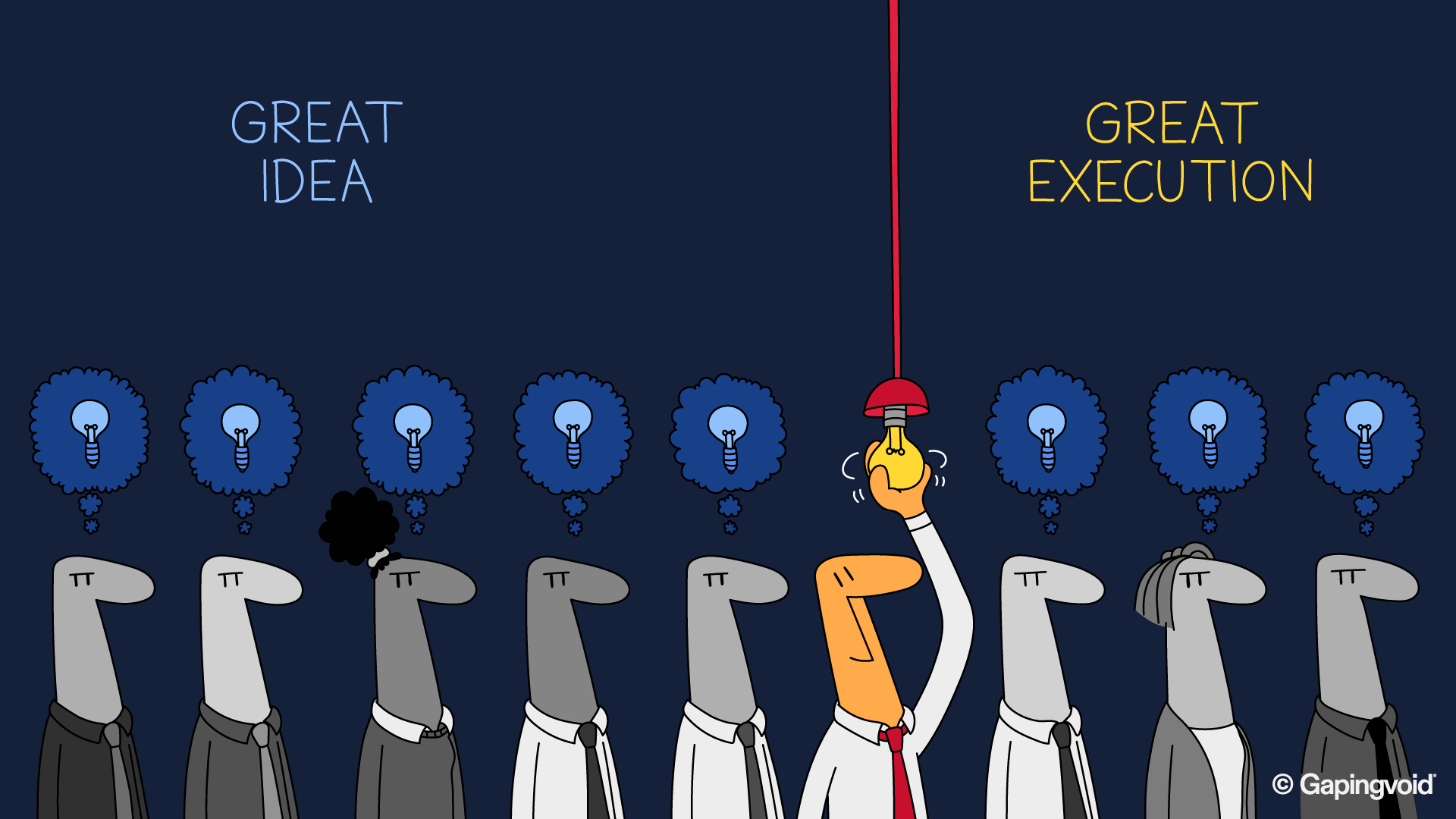
Great idea, great execution. When to lift people's eyes, and when to anchor in what's real.

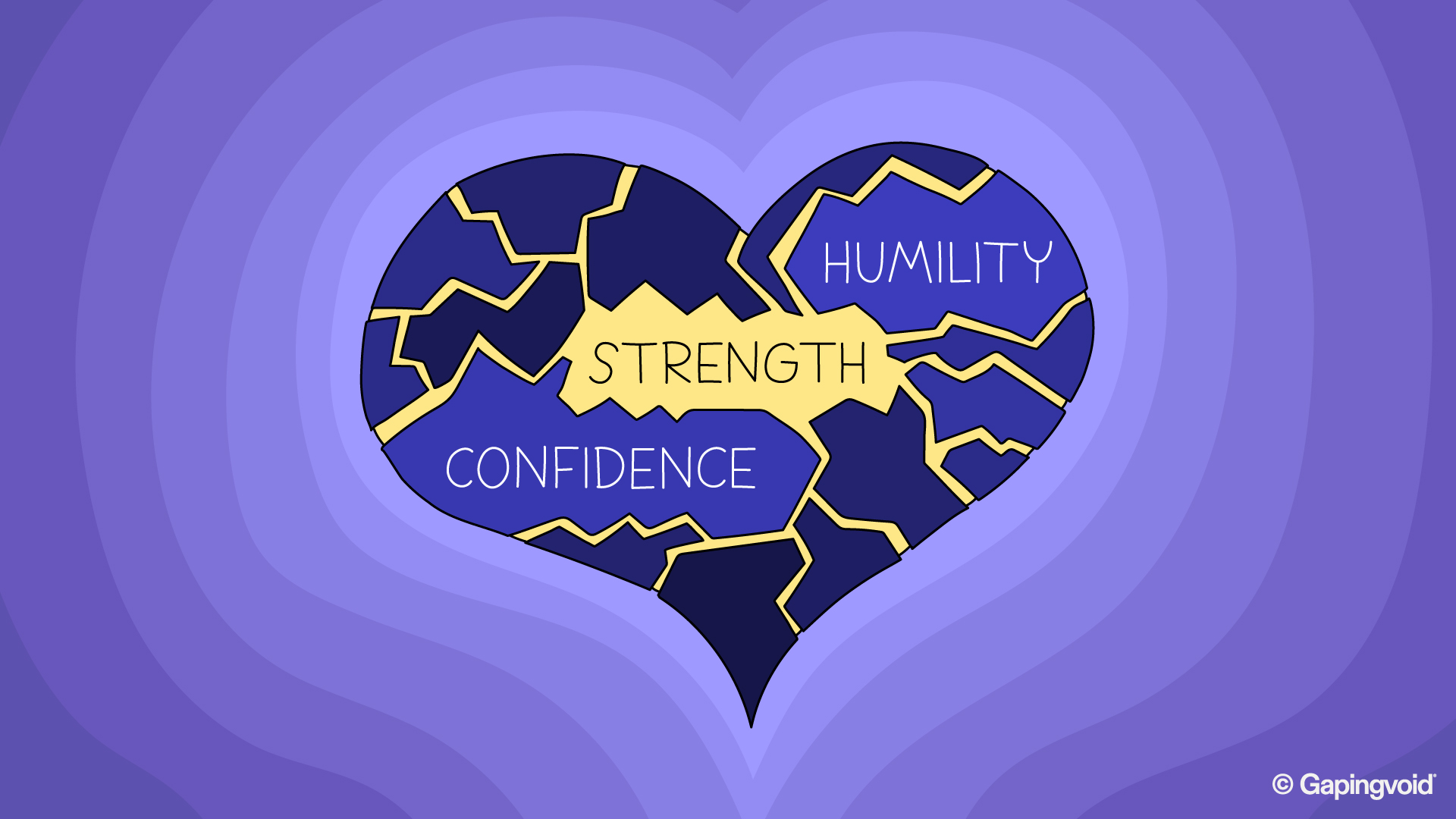
Real confidence includes humility; real humility includes confidence. Holding both at once.

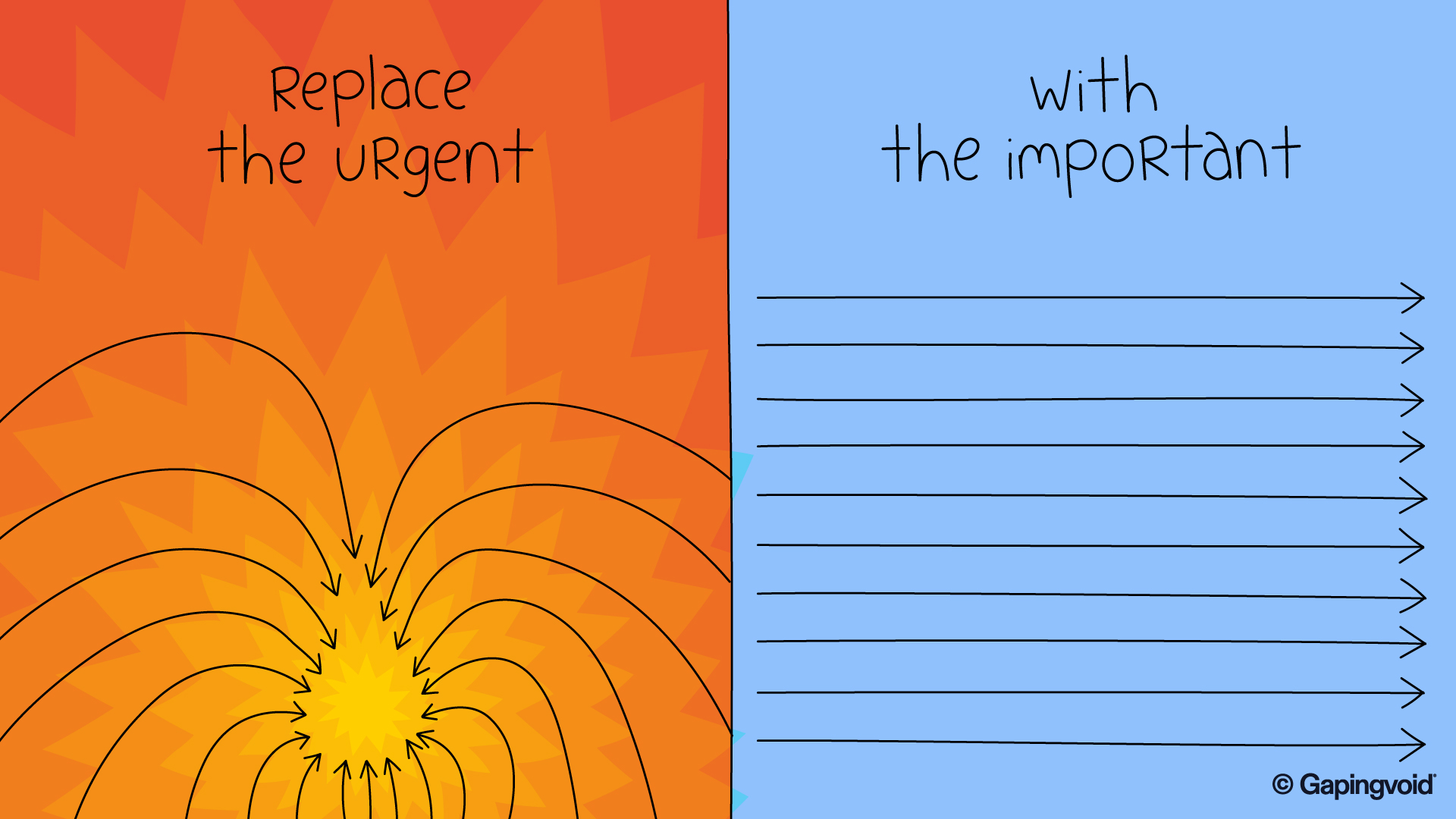
Urgency is loud; importance is quiet. When to move, and when to wait.

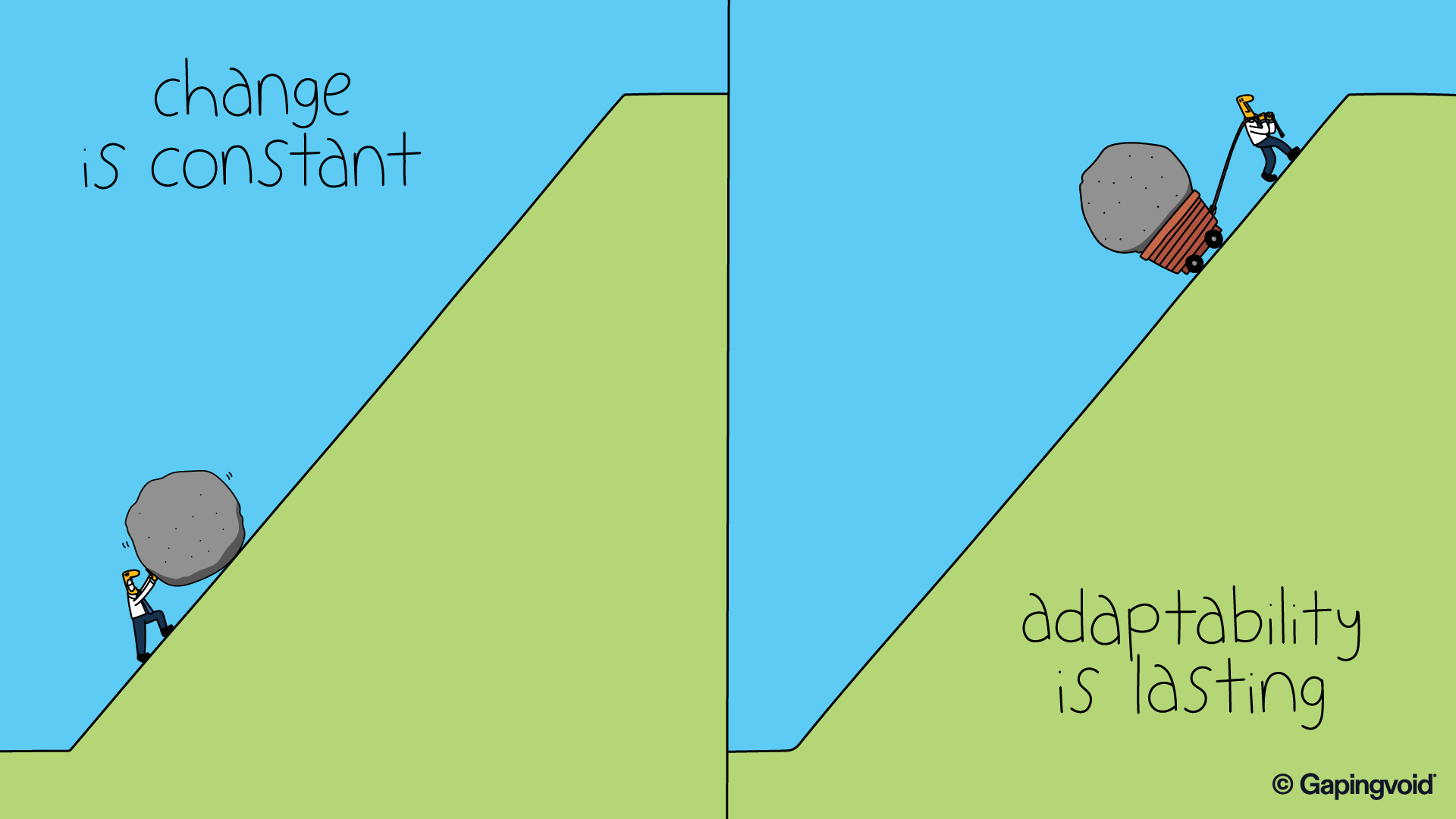
Change is constant; adaptability is lasting. What to hold fixed while everything else shifts.
Notes on behaviour, culture and the line — plus new research when it's published. No noise, unsubscribe any time.
More notes are on the way. Want the long version now? The research papers are free to download.