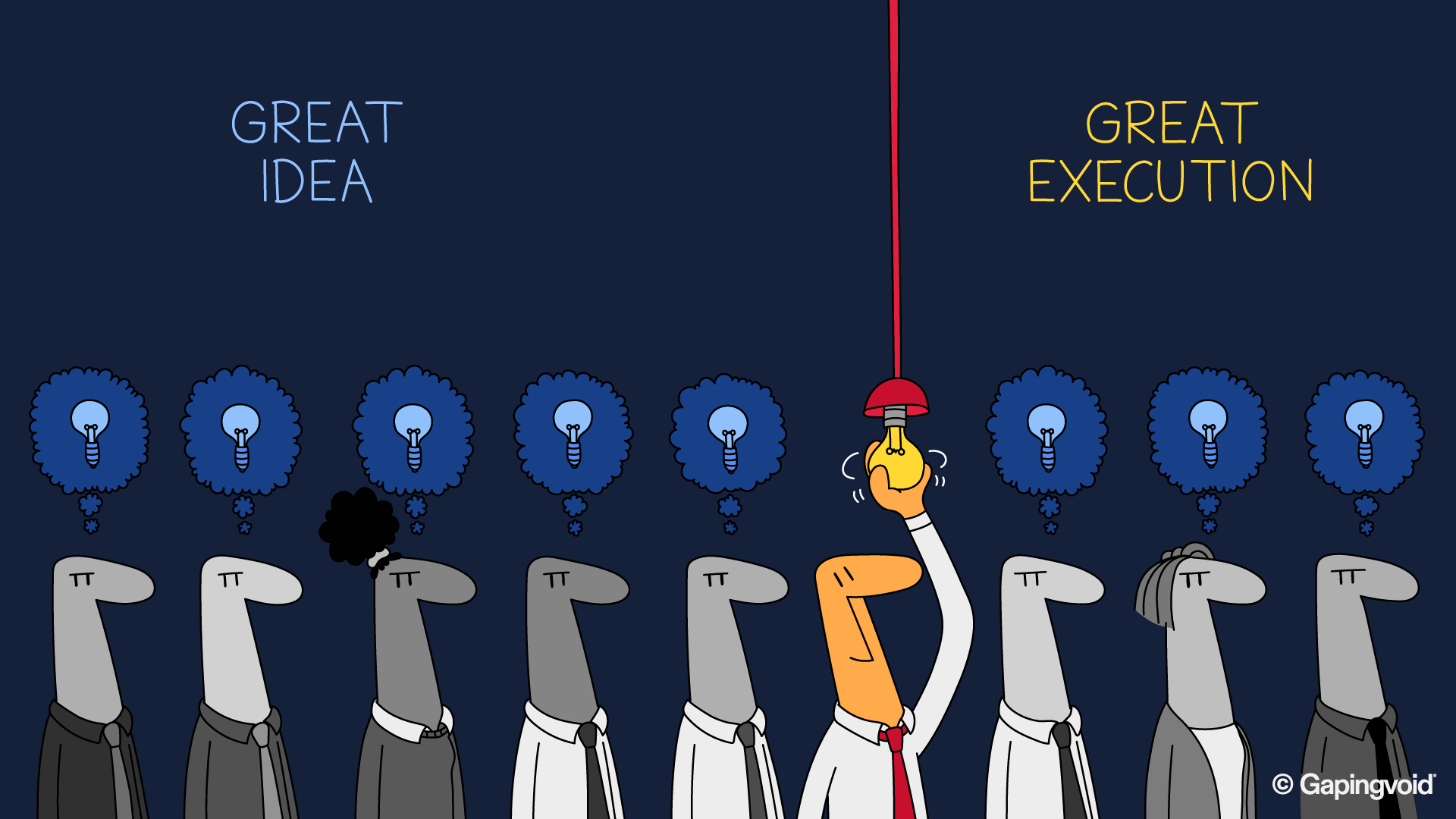
Great idea. Great execution.
They sound like they belong together. And they do.
But in practice, they pull in opposite directions — and most teams are better at one than the other.
Vision without execution is inspiration that never lands. Execution without vision is effort without direction.
The paradox is that you need both — and knowing when to emphasise which one is the judgment that separates good leaders from great ones.
Know when to hold a compelling visionandKnow when to stay anchored in reality
When vision serves your culture
Vision creates meaning. When people understand where they're going and why it matters — not just what they're doing, but what it's for — effort becomes investment.
If your cultural aspiration includes purpose, energy, or a team that brings more than their job description — vision is often what unlocks it.
A team that has agreed they're building something that matters needs a leader who can keep that alive — especially when the day-to-day gets hard.
Vision is what makes the difficult work feel worth it.
When vision constrains your culture
Vision becomes a constraint when it disconnects from what's actually possible.
When ambition outpaces credibility. When the gap between the picture and the reality is so large that people stop believing either. When vision becomes a substitute for strategy rather than the reason for one.
If your cultural aspiration includes trust, delivery, or a team that follows through — vision that consistently outstrips reality will erode all three.
People stop listening to the picture because they've learned it doesn't connect to the plan.
When grounded reality serves your culture
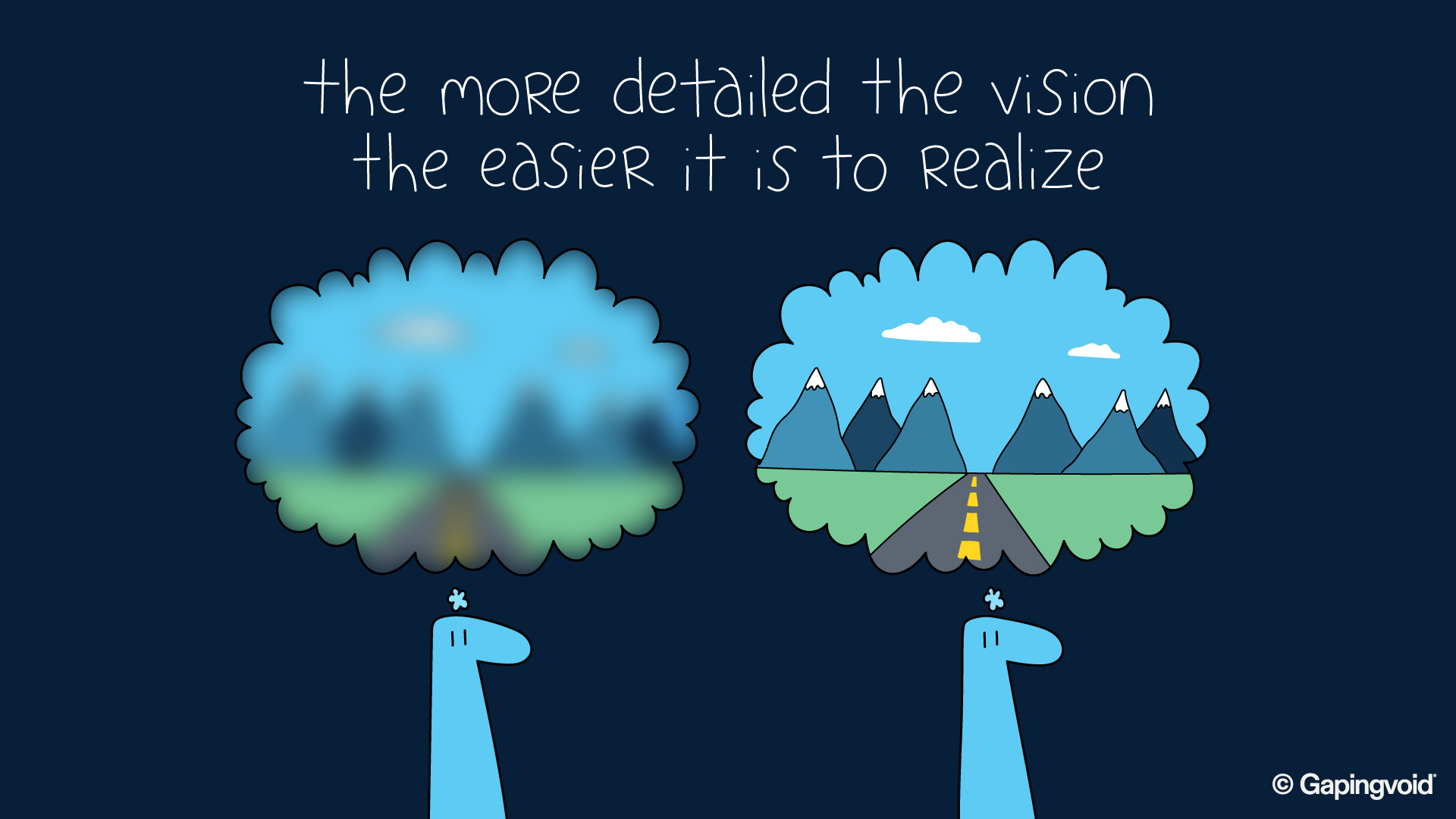
The more detailed the vision, the easier it is to realise.
Grounding vision in reality isn't about limiting ambition. It's about making it achievable. When a leader can articulate not just what they're building but what it will actually take — the milestones, the constraints, the trade-offs — people can engage with it as a real thing rather than an aspiration.
If your cultural aspiration includes clarity, confidence, or a team that knows what it's actually doing — grounded reality is what turns vision into something actionable.
When grounded reality constrains your culture
Grounded reality becomes a constraint when it becomes the ceiling.
When the focus on what's practical crowds out what's possible. When constraints get treated as fixed when they might not be. When the team stops asking what could be because they're so focused on what is.
If your cultural aspiration includes innovation, growth, or a team that creates new possibilities — a culture that never lifts its eyes will miss the opportunities that require imagination to see.
The question for your team
When you think about the culture you're trying to build —
Where does vision energise your team — and where does it lose them?
Where does grounding in reality create the clarity your team needs — and where does it limit what you're capable of?
How detailed does your vision need to be for your team to own it?
Culture Science Cards helps teams have the conversation that makes vision real — by surfacing what people actually believe about where they're going and what it will take.
Above the line. Below the line. In your context. For your culture.
Images in this post developed by © Gapingvoid Culture Design Group, and used with great thanks by Culture Science Cards.